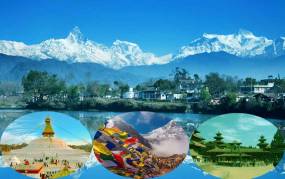



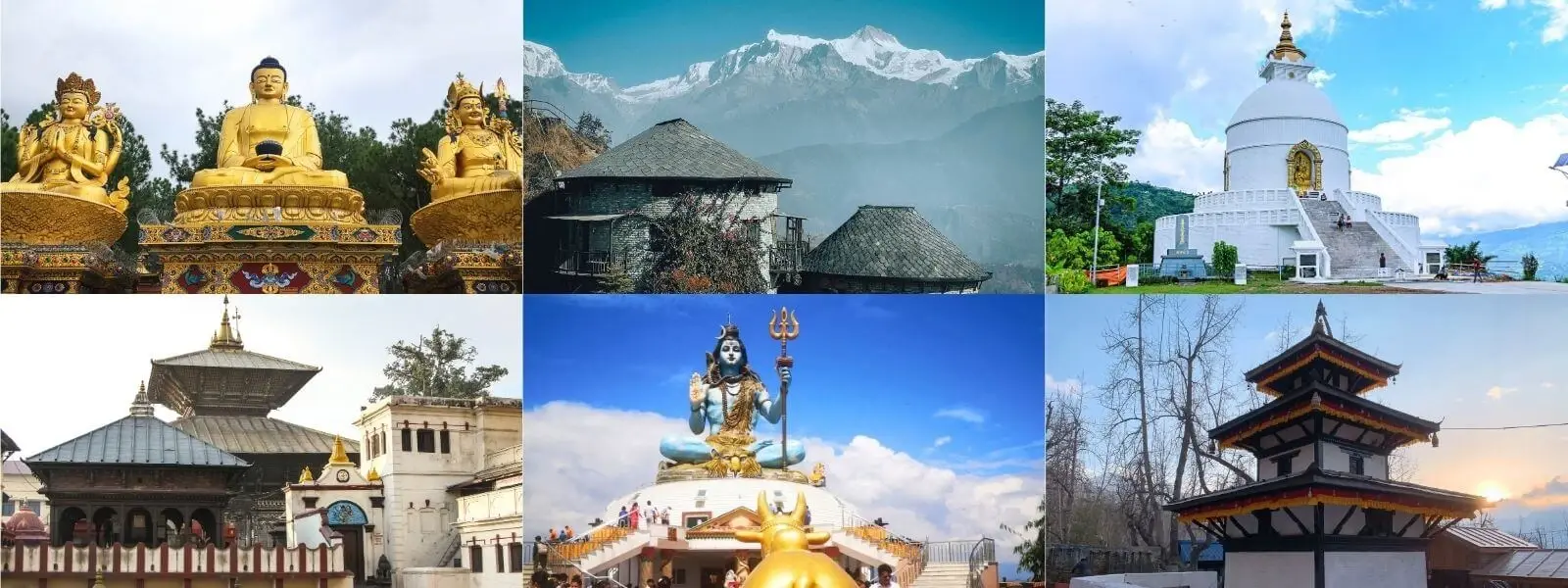
Muktinath Yatra: A Journey Beyond the Mountains
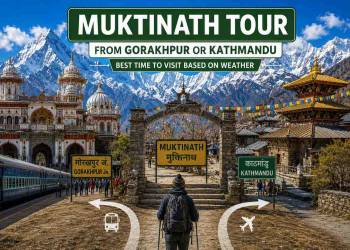
The journey to Muktinath, nestled in the trans-Himalayan region of Nepal, is unlike any other. Perched at an altitude of 3,710 meters in the Mustang district, this sacred site draws pilgrims from across the world—Hindus, Buddhists, trekkers, and soul seekers alike—each arriving with their own hopes, prayers, and unspoken longing.
The journey to Muktinath, nestled in the trans-Himalayan region of Nepal, is unlike any other. Perched at an altitude of 3,710 meters in the Mustang district, this sacred site draws pilgrims from across the world—Hindus, Buddhists, trekkers, and soul seekers alike—each arriving with their own hopes, prayers, and unspoken longing.
The Calling of the Himalayas
There’s something almost mystical about the way the Himalayas call you. For many, the desire to visit Muktinath is not just about religious duty but a deep, personal calling. Known as the place of liberation or “moksha”, Muktinath is considered one of the most revered shrines in both Hinduism and Buddhism.
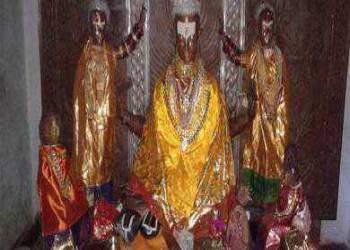
For Hindus, it is one of the 108 Divya Desams, or sacred Vishnu temples, and among the 51 Shakti Peethas for Shakti followers. For Buddhists, it’s a place where the great Guru Rinpoche meditated and spread Vajrayana teachings.
The Journey Within
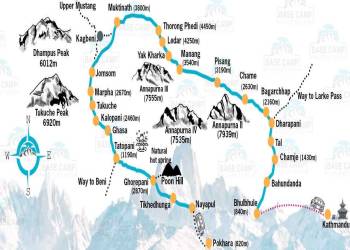
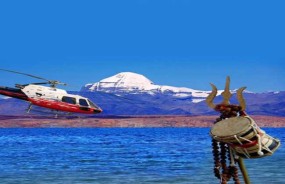
Traveling to Muktinath isn’t easy—and perhaps, that’s intentional. The road is long, the terrain rugged, and the air grows thinner as you ascend. Whether you fly to Jomsom and take a jeep up the winding roads or decide to trek through the Annapurna circuit, the journey tests your endurance and patience.
But every twist in the road, every gust of wind whispering through the mountains, seems to strip away the layers of the everyday world and bring you closer to something timeless.
Spiritual Tranquility Amidst Harsh Landscapes
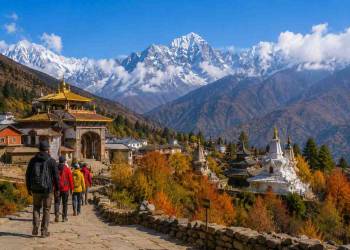
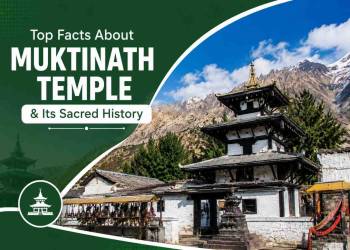
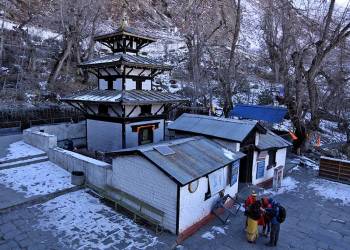
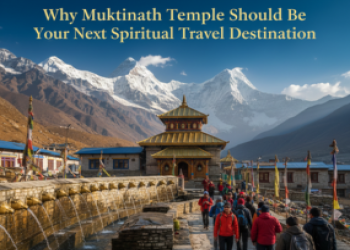
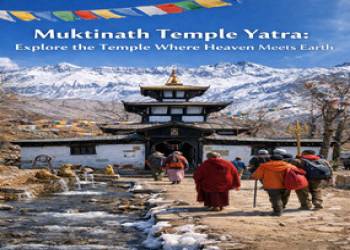
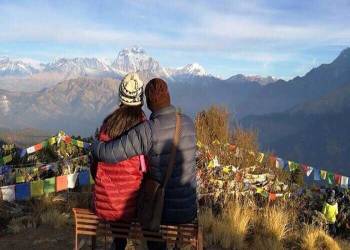
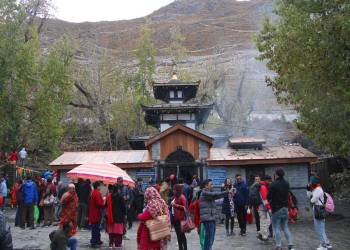
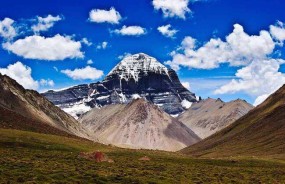
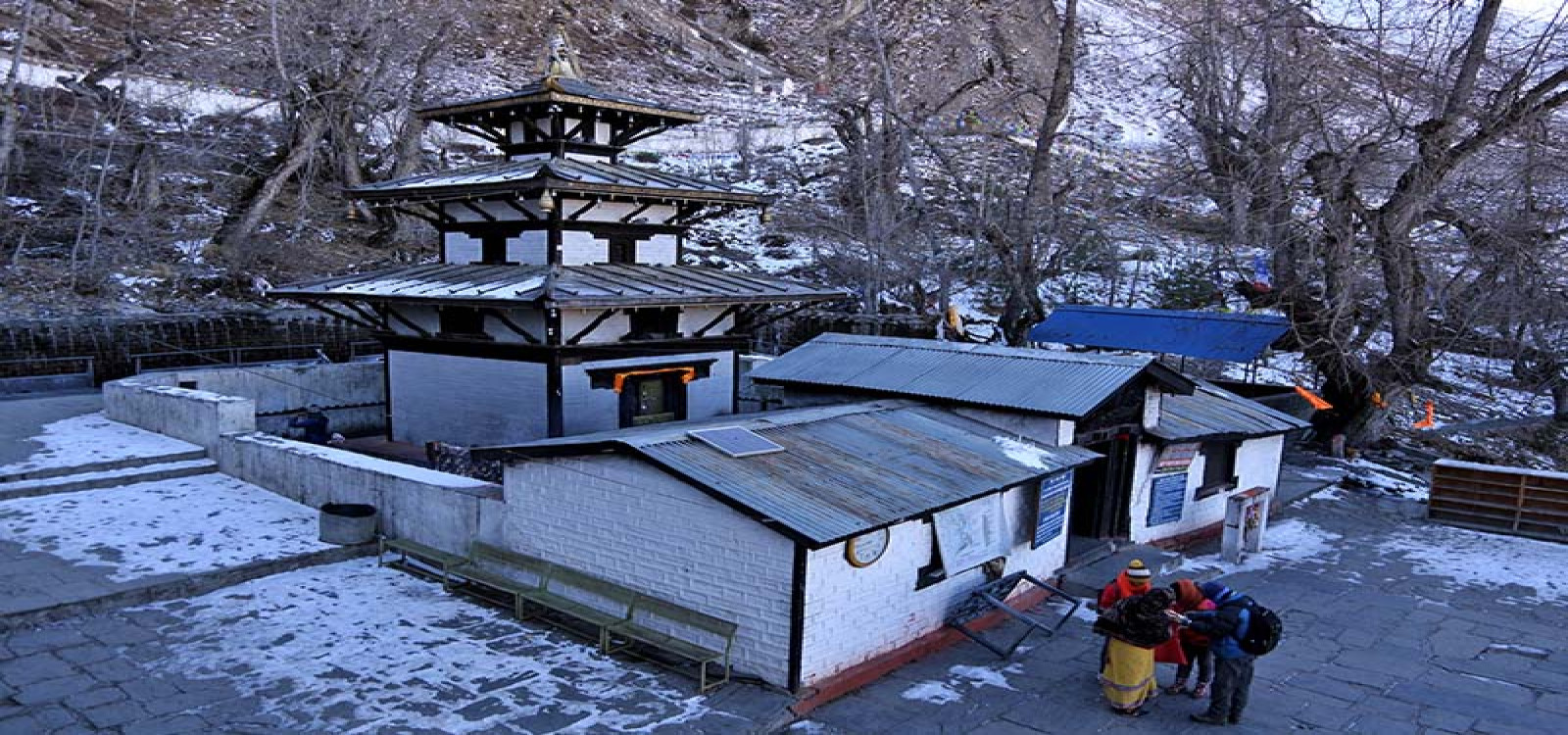
The temple itself is modest in structure but profound in presence. Surrounded by snow-capped peaks and set against the harsh, barren beauty of Mustang, the Muktinath Temple stands as a symbol of peace and liberation.
Here, 108 waterspouts shaped like cow heads pour ice-cold water—pilgrims take the plunge, braving the chill in a symbolic cleansing of body and soul. Nearby, the eternal flame fueled by natural gas burns unwaveringly, signifying the presence of Agni, the fire deity.
There is a stillness here, broken only by prayer chants, fluttering prayer flags, and the occasional toll of a bell. It’s the kind of silence that speaks louder than words.
People, Culture, and the Spirit of Mustang
The region around Muktinath offers more than just spiritual significance. The local people—mainly of Thakali and Tibetan origin—are warm and welcoming, with lives steeped in ancient customs. Their hospitality, coupled with the unique Himalayan culture, adds a deeper richness to the journey.
The monasteries, prayer wheels, mani walls, and fluttering flags form a bridge between the human and the divine, grounding spirituality in daily life.
A Journey Remembered
Leaving Muktinath doesn’t feel like an ending—it feels like a quiet awakening. You carry back more than just memories; you return with a lightness, a deeper perspective, and perhaps even a quiet answer to a question you hadn’t dared to ask.
Final Thoughts:
Muktinath Yatra is not just a destination—it's a pilgrimage of the soul. Whether you’re drawn by faith, curiosity, or the sheer magnetism of the Himalayas, the Yatra teaches you to surrender, to reflect, and most importantly, to feel deeply. Some places leave a mark on your passport. Muktinath leaves a mark on your spirit.
Frequently Asked Questions about
Muktinath Yatra: A Journey Beyond the Mountains