


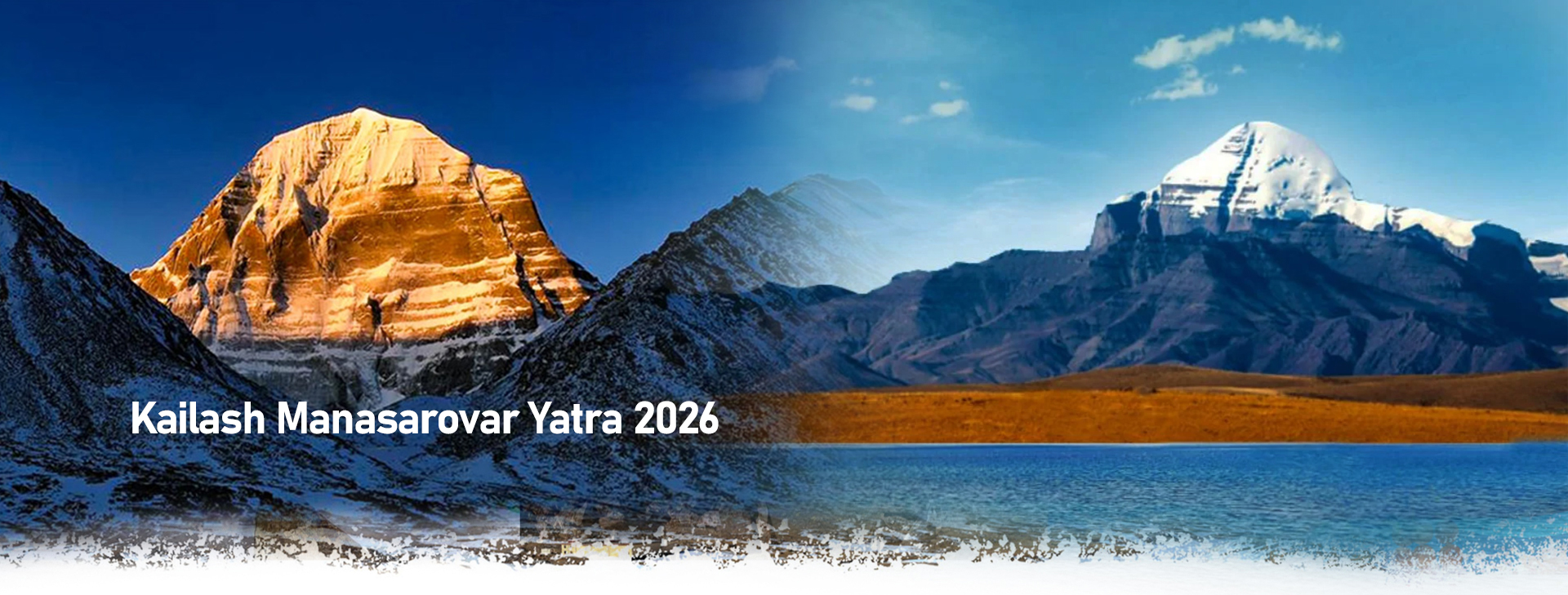
A Spiritual Odyssey: Kailash Mansarovar Yatra from Kathmandu

The journey to Kailash Mansarovar is unlike any other — not just a physical trek through the majestic Himalayas, but a profound spiritual calling that resonates deep within the soul. Beginning in Kathmandu, Nepal’s vibrant capital that pulses with ancient temples and the scent of incense, the yatra unfolds as a sacred adventure etched in both devotion and awe.
The journey to Kailash Mansarovar Yatra is unlike any other, not just a physical trek through the majestic Himalayas, but a profound spiritual calling that resonates deep within the soul. Beginning in Kathmandu, Nepal’s vibrant capital that pulses with ancient temples and the scent of incense, the yatra unfolds as a sacred adventure etched in both devotion and awe.
The Sacred Start: Kathmandu's Spiritual Energy
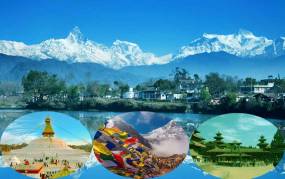
Kathmandu is a city where the sacred and the everyday intertwine seamlessly. Before heading toward Tibet, pilgrims often seek blessings at Pashupatinath Temple, one of the holiest Shiva shrines in the world. The chanting of mantras, the flickering of butter lamps, and the air thick with devotion set the tone for the spiritual ascent that lies ahead.
The journey from kailash mansarovar yatra from kathmandu is not just a change in altitude, it's a deep inward transformation.
Through the Himalayas: Nature's Test and Reward
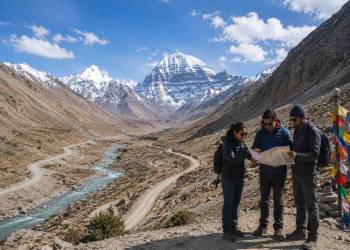
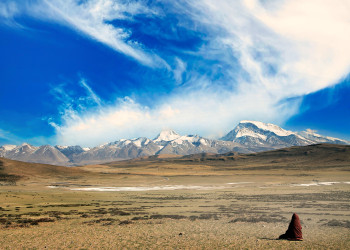
As the route winds through rugged terrain and climbs toward the Tibetan plateau, the landscape transforms dramatically. Towering peaks, vast open skies, and desolate valleys stretch endlessly. This is where the body begins to surrender to nature's rhythm, and the mind slowly quiets.
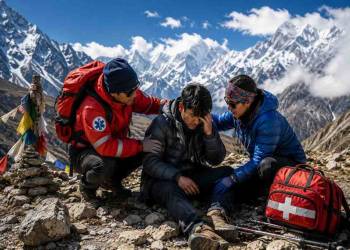
Despite the physical challenges, cold winds, high altitude, and minimal comforts — the journey gifts pilgrims with a sense of simplicity and surrender. There's a raw purity in walking amidst mountains that have remained unchanged for millennia.
You May Also Like: Mount Kailash Spiritual Significance Explained
First Glimpse: Lake Mansarovar
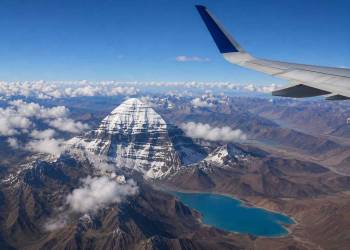
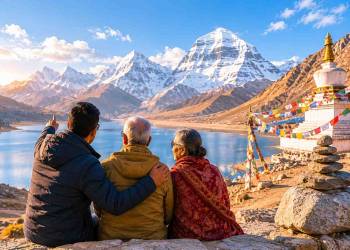
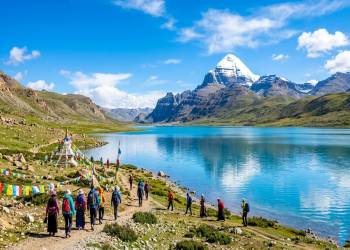
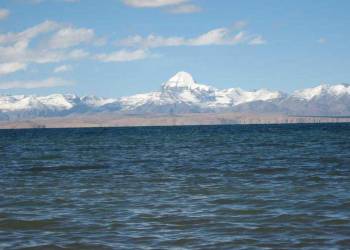
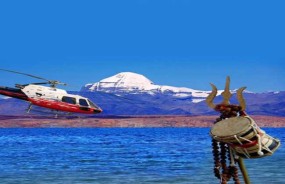
After days of travel, the first sight of Lake Mansarovar feels surreal. Spread like a sapphire mirror under the open sky, it is believed to have been created by Lord Brahma. The water is considered so pure that even a single dip is said to wash away lifetimes of sins. The stillness of the lake, surrounded by snow-capped peaks, invites deep reflection. Many sit by its shores in silence, meditating or simply absorbing its divine energy.
The Enigma of Mount Kailash
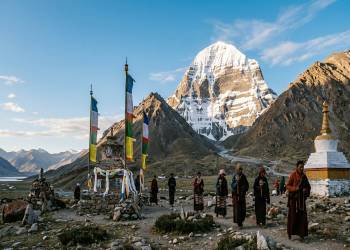
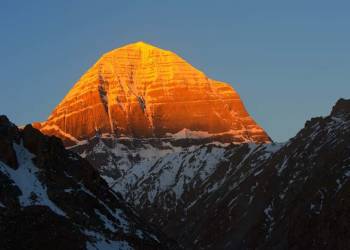
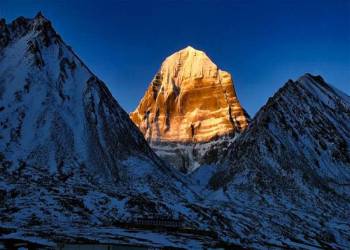
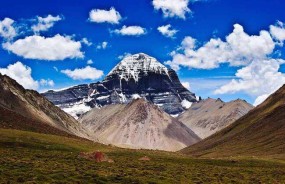
Then comes the moment every pilgrim waits for — the first view of Mount Kailash. Shaped like a perfect pyramid and standing in solitude, Kailash is revered in Hinduism, Buddhism, Jainism, and Bon traditions. No one has ever climbed it, nor is it allowed. It is not a peak to conquer, but one to bow before.
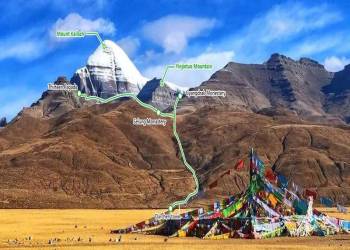
Circumambulating the mountain — the Kora — is the spiritual heart of the journey. Each step around the sacred mountain is seen as an act of devotion, penance, and renewal. Many pilgrims report an overwhelming sense of peace, clarity, and a connection that transcends words.
A Journey Inward
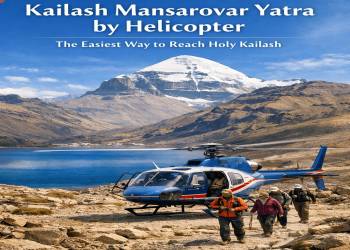
Though physically demanding, the Kailash Yatra by Helicopter 2026 is ultimately a journey inward. It's not about how far you walk or how high you climb, but how deeply you connect, with the divine, with nature, and with yourself.
By the time the pilgrims return to Kathmandu, they are not the same people who started. They carry back not just photos and memories, but something far more precious, a sense of peace, humility, and the blessing of having stood in the shadow of the divine.
Frequently Asked Questions about
A Spiritual Odyssey: Kailash Mansarovar Yatra from Kathmandu